Trauma is part of this world. The occurrence of trauma in the lives of people is more than we can imagine. I came to realise that more than ever before when I read statistics like these: one in five Americans was sexually molested as a child, a parent beats one in four to the point of a mark being left on their body, and one in three couples engages in physical violence. A quarter of us grew up with alcoholic relatives, and one out of eight witnessed their mother being beaten or hit (Van der Kolk, 2014:12).
I couldn’t help but wonder about statistics in South Africa. Just think of murder, rape, domestic violence, child abuse, and bullying, to name a few. With so many cases never reported, we probably have no idea of the trauma caused by crimes like these. That doesn’t include other causes like grief, verbal- and emotional abuse, illnesses, motor accidents, etc., which are not necessarily prohibited by law but can cause severe trauma.
I had the privilege (time) to do an intense study of an incredible book, The Body Keeps the Score – Brain, Mind and Body in the Healing of Trauma, written by Bessel van der Kolk, an American psychiatrist, in 2014. Although I’m referring to this book a couple of times in this article, this is not a review of the book. It’s instead sharing with you the complicated issue of trauma and how this book helped me to adjust my focus and therapy.
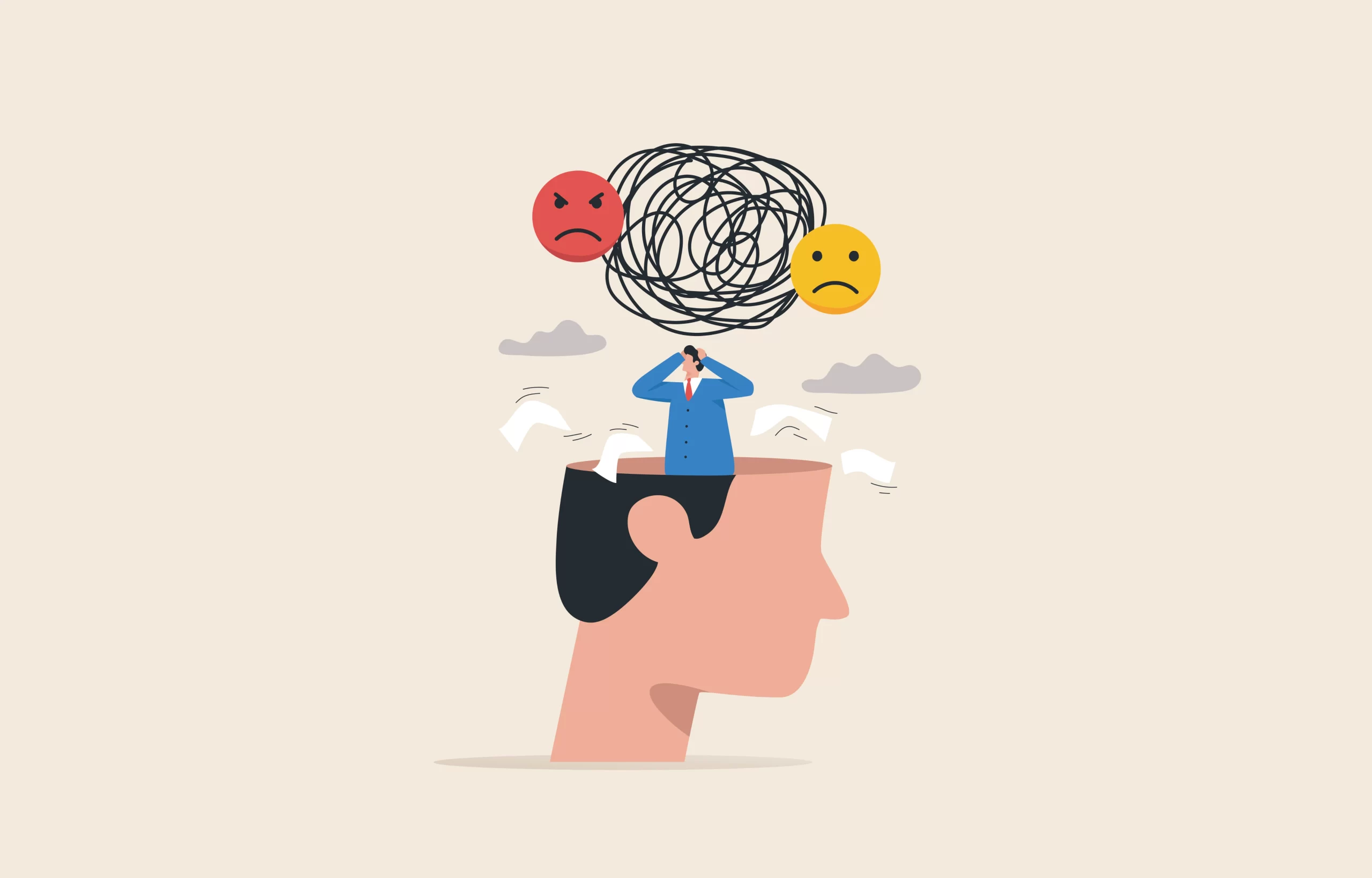
I’ve been doing counselling for more than forty years. During this time, I came upon many people who experienced “mild” to severe trauma caused by grief, abusive parents (where alcohol played a role), adults who had been molested as children, and bullying, to name a few. I counselled them to the best of my ability – some more successful than others. It was only after I read this book that I realised that trauma never goes away and that trauma can be the root of many mental health problems. I came to believe that a considerable percentage of people knocking on the doors of mental health professionals with anger-, anxiety-, depression-, relationship issues, etc., have experienced (untreated) trauma before. Trauma from the past is often pushed under the carpet with the hope that it will go away, but trauma sticks.
Van der Kolk proved beyond doubt that the brain, mind, and body keep score for as long as you live. What has happened cannot be undone. BUT – the imprints of the trauma on the body, mind, and soul; the crushing sensations in your chest that you may label as anxiety or depression; the fear of losing control; always being on alert for danger or rejection; the self-loathing; the nightmares and flashbacks; the fog that keeps you from staying on task and from engaging fully in what you are doing; being unable to open your heart to another human being fully – can be dealt with (Van der Kolk, 2014:168).
There are ways to help people to ease the burden of trauma. According to Van der Kolk, speech is at the root of most methods that can lessen the impact of trauma – getting people to verbalise what he called the unspeakable truth of war, abuse, rape, molestation, car accidents or any other horrendous (or less horrendous) events.
Most people who have experienced trauma will need a mental health professional to help them, not only to get to a point where they can verbalise the truth but also to deal with the imprints that were left in their brain, mind, and body, like the loss of memory, for example. Van der Kolk brought the possibility of memory loss found in some trauma patients to the attention of the world. He said it is as if the brain completely shuts off the part of the brain that was affected by the trauma. It can take years before a patient can verbalise what has happened.
Unfortunately, it took the courts in America years to accept the reality of memory loss in child molesting cases that occurred years ago in church dormitories and other places. Many offenders were never brought to book because the cases were dismissed due to the memory loss of the victims.
I found almost everything Van der Kolk wrote about memory loss to be true while working with two clients who experienced severe abuse during childhood. Both of them experienced memory loss. It is as if the trauma blocked out certain parts of their brain. Both used words like, I can’t remember, as well as other phrases in his book like, I feel dead inside; I will never be able to feel normal emotions again; I feel like an object, not like a person.
When I counsel clients with depression, anxiety, and other obsessive-compulsive disorders, I always keep the possibility of unresolved (untreated) trauma in the back of my mind as one of the possible causes of the symptoms. Let’s take Borderline Personality Disorder (BPD) as an example. Almost all the websites with information about BPD state childhood trauma and abuse as one of the causing factors of BPD (https://www.psychologytoday.com; https://www.mayoclinic.org; https://my.clevelandclinic.org).
In this incredible book, Van der Kolk combined intensive academic research with examples from his and other mental health professionals’ practices. He spent almost his entire life as a psychiatrist, trying to find methods and medicine that could ease the pain caused by trauma. He did not get stuck on one method or medicine and made it the alpha and omega to treat trauma. He discussed the pros and cons of different techniques and approaches, such as Limbic System Therapy, Cognitive Behavioural Therapy, Yoga and Mindfulness, Desensitization Therapy, Art, Music and Dance, Eye Movement Desensitization and Reprocessing (EMDR), to name a few. He also looked at the use of medicine in conjunction with therapy. This book opened new doors for me, especially about the intense interdependency of the brain, mind, and body and how the different parts of the brain react to stimuli – before and after trauma.
Conclusion
Van der Kolk brought trauma, metaphorically speaking, out of the woods, to the front pages of news bulletins and study material of psychologists, psychiatrists, and therapists. He brought to the fore how America, and probably most other countries, did not recognise the severity of trauma on the lives of veterans and their families. He brought to the fore how institutions of the state and other organisations in America did not include PTSD in manuals on mental illnesses and how courts dismissed memory loss as something that cannot exist. He contributed significantly to the way trauma is viewed and treated. He brought a bit of hope to thousands of people whose lives have been hell on earth due to the trauma they experienced during their lives.